

كيف ألهمت محادثة واحدة انطلاق حركة جديدة
قضت ماريا ينسن غاي معظم حياتها في عالم كرة القدم. لعبت اللعبة، ودربت الفرق، وتابعتها بشغف لسنوات طويلة. لكن محادثة بسيطة مع ابنها الصغير غيّرت نظرتها إلى كرة القدم إلى الأبد.
كان ابنها قد حصل للتو على قميص كرة قدم جديد. في المنزل، كان يحب ارتداءه باستمرار. لكن في أحد الأيام، رفض ارتداءه إلى المدرسة.
عندما سألته ماريا عن السبب، أجاب ببساطة:
“Only the girls talk about dancing and fashion at school. None of the boys talk about football the way I do.”
For Maria, that moment hit deeply. She realized that stereotypes and social pressure affect boys just as much as girls — and that many children begin questioning whether they truly belong in football long before they ever step onto a pitch.
The next day, she shared a post on LinkedIn asking whether anyone wanted to help build a stronger football culture for boys and young players in Denmark. The response was overwhelming. By the end of 2024, a new movement was born.
The Gap Between Headlines and Reality
Football is constantly described as a growing and changing sport. Bigger audiences, more investment, and more visibility dominate the headlines. But Maria believes reality on the ground still tells a different story.
In Denmark, many local youth matches still struggle to attract attention. Community clubs often lack resources, and young players don’t always receive the support or visibility they deserve.
“Football has been shaped by expectations for generations,” Maria explains. “Now we have the opportunity to create a healthier and more inclusive culture for every child who loves the game.”
For her, the issue isn’t only about football. It’s about confidence, identity, and belonging.
It Starts Before the First Kick
Maria believes stereotypes begin influencing children much earlier than most people realize.
“People often expect boys to be strong, competitive, and naturally talented in sports before they even discover what they enjoy,” she says. “That pressure can become overwhelming.”
Some boys grow up believing they must always be the best, the strongest, or the most talented to deserve recognition. Others stop playing because they fear judgment or failure.
This is why visibility and representation matter so much.
When children see different kinds of boys enjoying football — whether casually, competitively, emotionally, or creatively — they begin to understand there is no single way to belong in the sport.
Visibility Changes Everything
Maria believes digital platforms, local storytelling, and grassroots football media can help young players feel seen.
“When a child sees someone like himself enjoying football, he starts believing he belongs there too.”
Videos, local matches, documentaries, and online communities all help create a more open and supportive football culture.
The goal is simple: make every child feel welcome in the game.
“Just Go Out and Play”
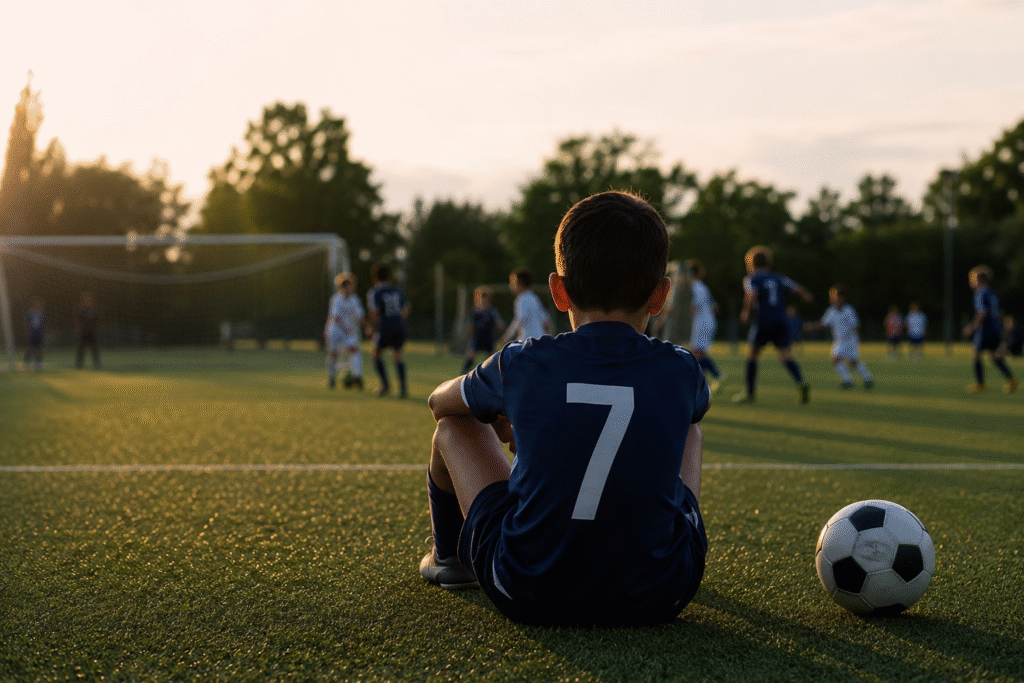
Today, Maria’s son proudly wears his football jersey wherever he goes.
And for every boy standing on the sidelines wondering whether football is really for him, Maria has a message:
“Football is for everyone. If football makes you happy, then go outside and play. At the end of the day, it’s just a football game.”
 Arabic
  English